United Bank for Africa (UBA)
His banking career began in 1997 with United Bank for Africa, where he worked in international operations and consumer/retail banking.

A Journey of Professional Excellence, Public Service, Leadership and Human Development.
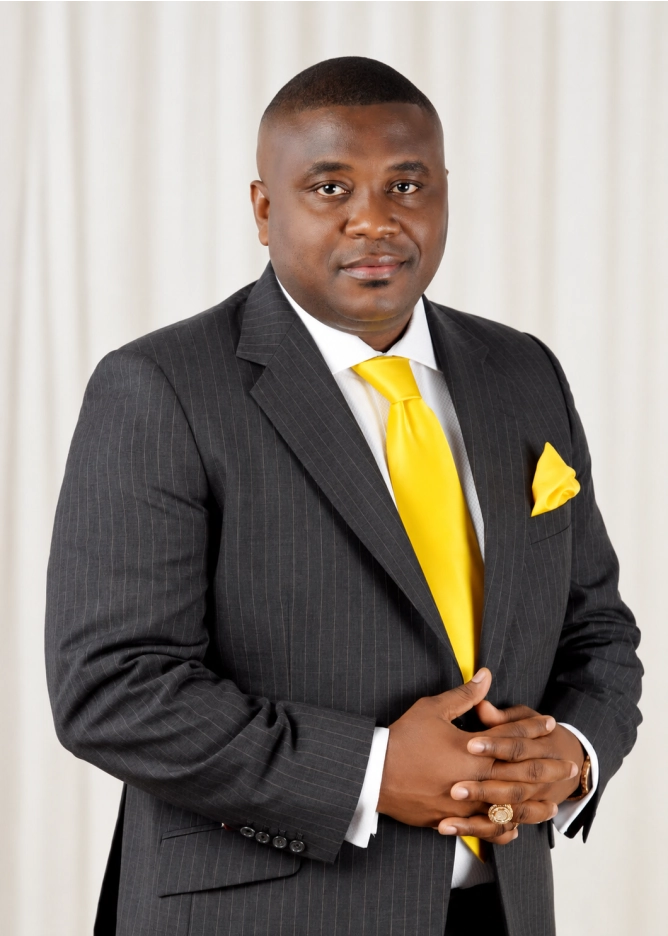
There are lives that are defined by the positions people occupy, and there are lives that become instructive because of the journey behind those positions. The story of Obong Bassey Albert Akpan belongs to the latter category.
Born on 28 October 1972 in Ibiono Ibom Local Government Area of Akwa Ibom State, Obong Bassey Albert Akpan has traversed several important spheres of Nigerian public life — from banking and financial management to state administration and legislative service.
His professional journey provides an interesting study in the movement of expertise from the private sector into public administration and national policymaking.
Obong Bassey Albert Akpan was born on 28 October 1972 in Ibiono Ibom Local Government Area of Akwa Ibom State, into the family of Chief Albert Robert Akpan, described in biographical records as a businessman, politician and philanthropist.
His roots in Ibiono Ibom situated him within the cultural and communal environment of Akwa Ibom from which his later public-service identity would emerge.
The significance of his early years is not merely geographical. Public leadership is often shaped long before an individual enters public office. The environment in which a person grows, the people encountered, the challenges observed and the values acquired can influence how that person eventually understands responsibility and service.
His subsequent trajectory demonstrates a gradual progression through education, professional development, institutional responsibility, public administration and legislative representation.
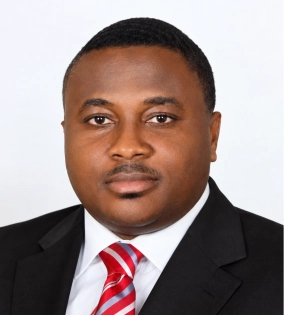
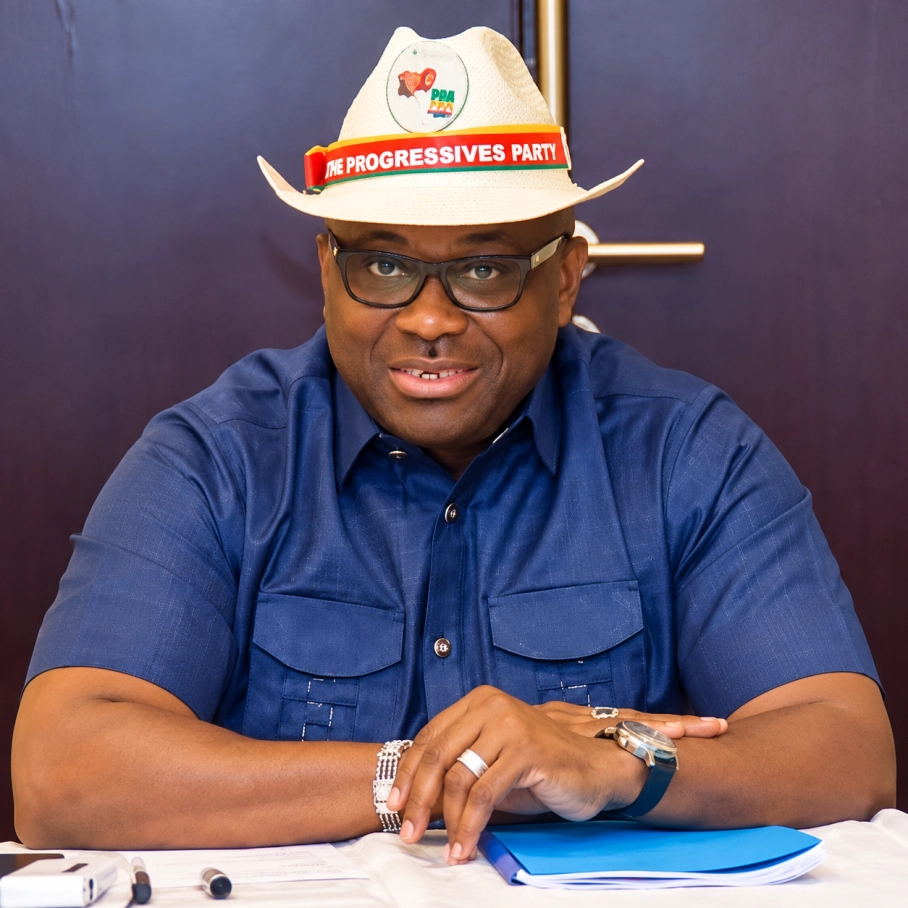
Education occupies an important place in the story of Obong Bassey Albert Akpan.
He attended St. Patrick's College, Calabar, before proceeding to the University of Uyo, where he studied Economics and graduated with a Bachelor of Science degree in Economics, Second Class Upper Division.
He subsequently obtained a Master of Business Administration (MBA) from the University of Nigeria, Nsukka.
This combination of Economics and Business Administration provided an academic foundation relevant to the professional responsibilities he later undertook in banking and government financial management.
Education is not simply preparation for employment; it is preparation for responsibility.
His banking career began in 1997 with United Bank for Africa, where he worked in international operations and consumer/retail banking.
In 1999, he moved to Continental Trust Bank, where he became Manager of the Corporate Banking Group at the bank's Victoria Island headquarters.
In 2003, he joined First Inland Bank Plc as Uyo Branch Manager. Biographical records report that he received recognition for branch performance at both regional and national levels.
In 2005, he joined First City Monument Bank as an Assistant Vice President and later became General Manager responsible for Akwa Ibom and Cross River States, overseeing banking operations across more than 15 branches.
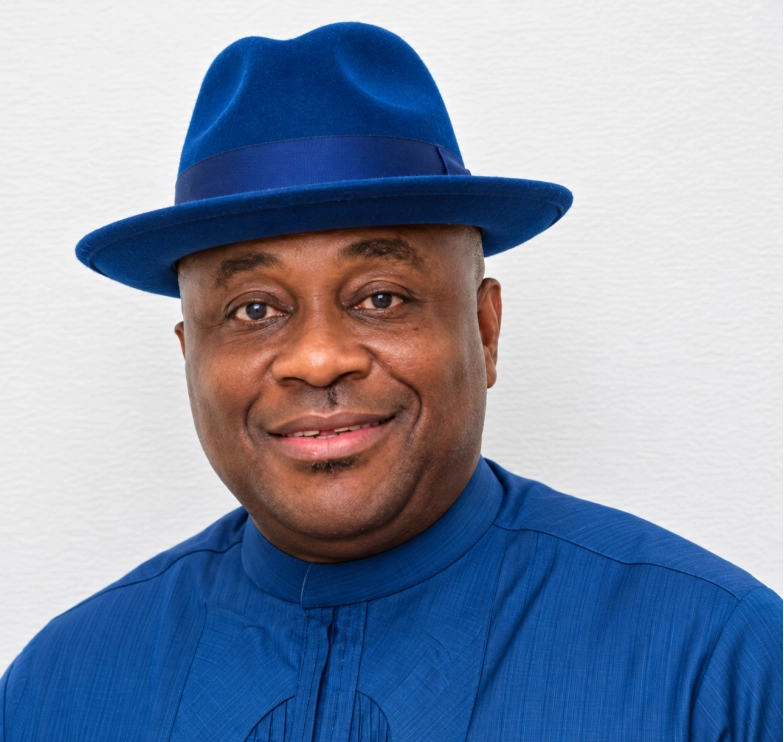
In August 2007, Bassey Albert was appointed Commissioner for Finance in Akwa Ibom State, a position he held until April 2014.
The appointment represented a significant transition: from managing financial responsibilities within banking institutions to participating directly in the management of public resources and state financial administration.
Among the initiatives associated with his period as Commissioner was the Akwa Ibom State Revenue Summit of 2009, which brought stakeholders together around questions of internally generated revenue and public finance.
The Biographical Legacy and Research Foundation records that the state's internally generated revenue reached ₦15.6 billion by the end of 2013. The document identifies this as a historical figure reported by that biographical source and places it within the context of the period in which it was recorded.
On 9 June 2015, Obong Bassey Albert Akpan was sworn in as a Distinguished Senator of the Federal Republic of Nigeria representing Akwa Ibom North-East Senatorial District. He was subsequently re-elected in 2019 and served until January 2023.
The responsibility changed from state financial administration to national legislation, oversight and representation.
During the 8th Senate, he served as Chairman of the Senate Committee on Gas Resources. The National Assembly records document his sponsorship of the Natural Gas Flaring Prohibition Bill, 2017 (S.B. 337), which passed second reading in March 2017 and subsequently progressed through the legislative process before being passed by the Senate in 2019 as the Gas Flaring (Prohibition and Punishment) Bill.
In the 9th Senate, he chaired the Senate Committee on Petroleum Resources (Upstream). These responsibilities placed him within legislative discussions concerning petroleum resources, gas development, regulation, energy policy and the economic significance of Nigeria's extractive sector.
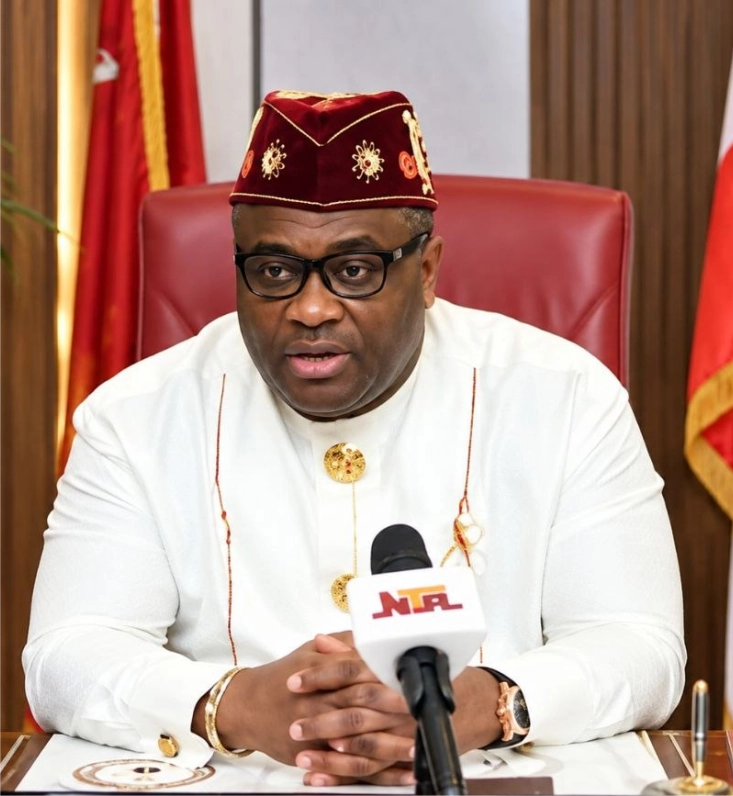
One of the frequently cited dimensions of Obong Bassey Albert's public record is his involvement in educational support.
Available biographical records state that he initiated an undergraduate scholarship programme in 2016 for students of Akwa Ibom State origin. Those records report that 381 students benefited from the programme, with 114 having graduated by the beginning of the 2019/2020 academic session, while others remained in their respective programmes at that time.
The document presents education as a form of empowerment whose value can continue beyond the original intervention, potentially extending from individuals to families and wider communities.
One of the visible themes in Obong Bassey Albert's professional journey is the relationship between competence and responsibility. Each stage required a different form of knowledge, from financial discipline and corporate coordination to public finance, policy analysis, representation, oversight and lawmaking.
Another theme is the movement from professional advancement into public responsibility. The document frames public service as an opportunity to convert individual capacity into collective value and asks a deeper question about what remains useful after office has been left behind.
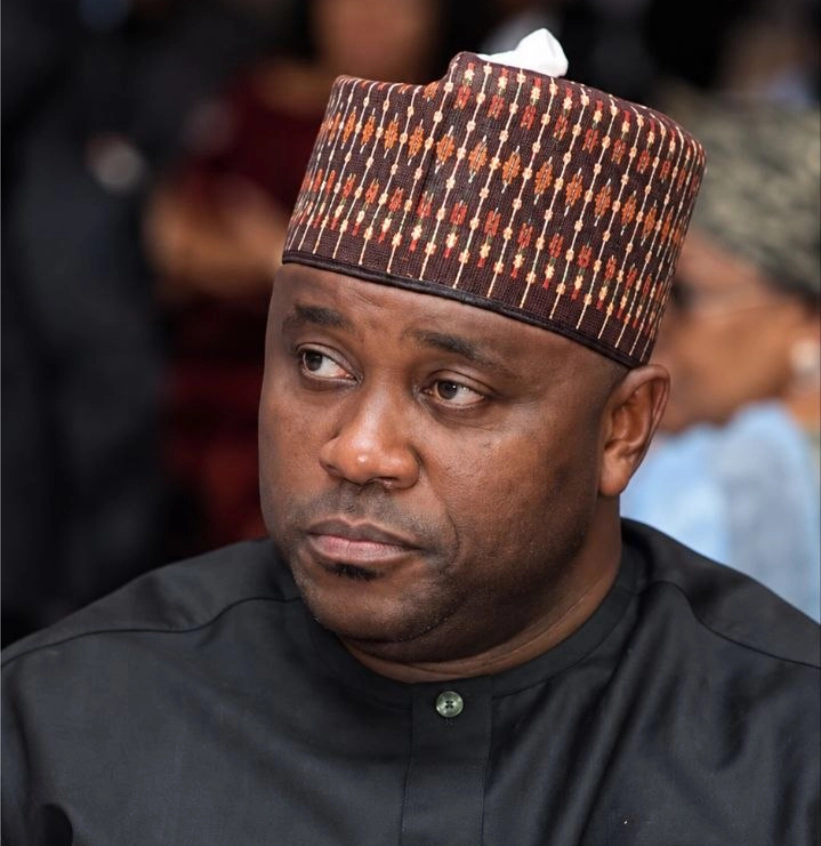
A person's leadership can also be examined through the institutions in which he or she has worked.
Obong Bassey Albert's career has taken him through the banking industry, corporate financial management, state government, public finance, the Senate of the Federal Republic of Nigeria and national petroleum-sector legislative oversight.
The document places this institutional journey within a broader discussion of governance and institutional responsibility, emphasizing the distinction between occupying an institution and strengthening an institution.
Representation is more than speaking on behalf of people. It involves listening to communities, understanding their needs, interpreting those needs within institutional structures and pursuing legitimate avenues for addressing them.
The document identifies infrastructure, petroleum resources, gas flaring and national economic policy as areas through which this concept can be examined.
The document approaches Obong Bassey Albert's journey through ideas and experiences rather than reducing the story to political events, party affiliations or electoral contests.
His background in Economics, Business Administration, banking, public finance and legislative work creates material for discussions around economic management, human capital development, education, petroleum economics, institutional governance, legislative oversight, infrastructure, youth development, empowerment and public representation.
It describes the intellectual purpose of the Philosophical Friends of Obong Bassey Albert as a space where the person becomes the starting point, the ideas become the subject and the lessons become the inheritance.
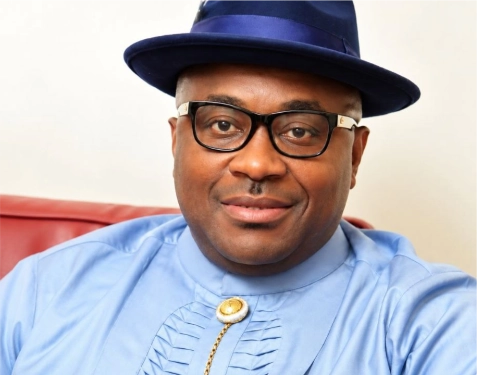
The document presents these transitions as stages requiring adaptation and emphasizes the capacity to learn, adapt and assume new responsibilities while maintaining diligence and preparation.
A title tells us where a person served. A record tells us what the person did while serving. And a legacy asks a deeper question: what remains useful after the office has been left behind?
The story of Obong Bassey Albert Akpan, as presented in the source document, therefore extends beyond positions and appointments into questions of preparation, service, human development, representation, institutional responsibility and the lasting value of leadership.
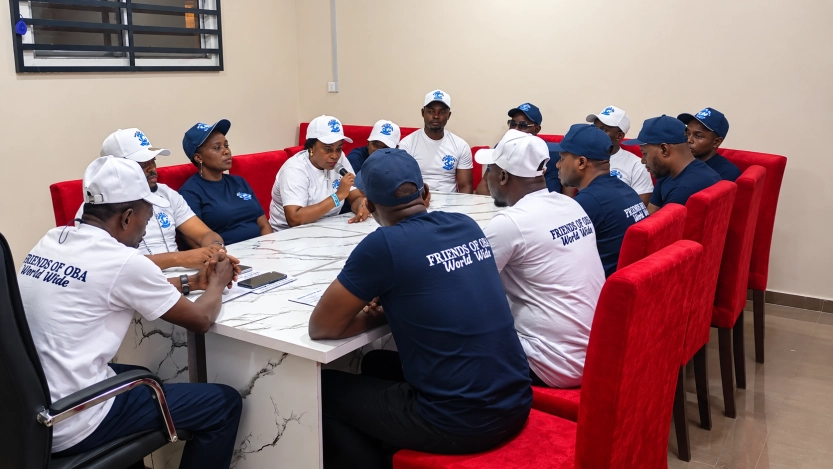
From education and professional formation to public finance, legislative service, human development and the continuing conversation around legacy.